
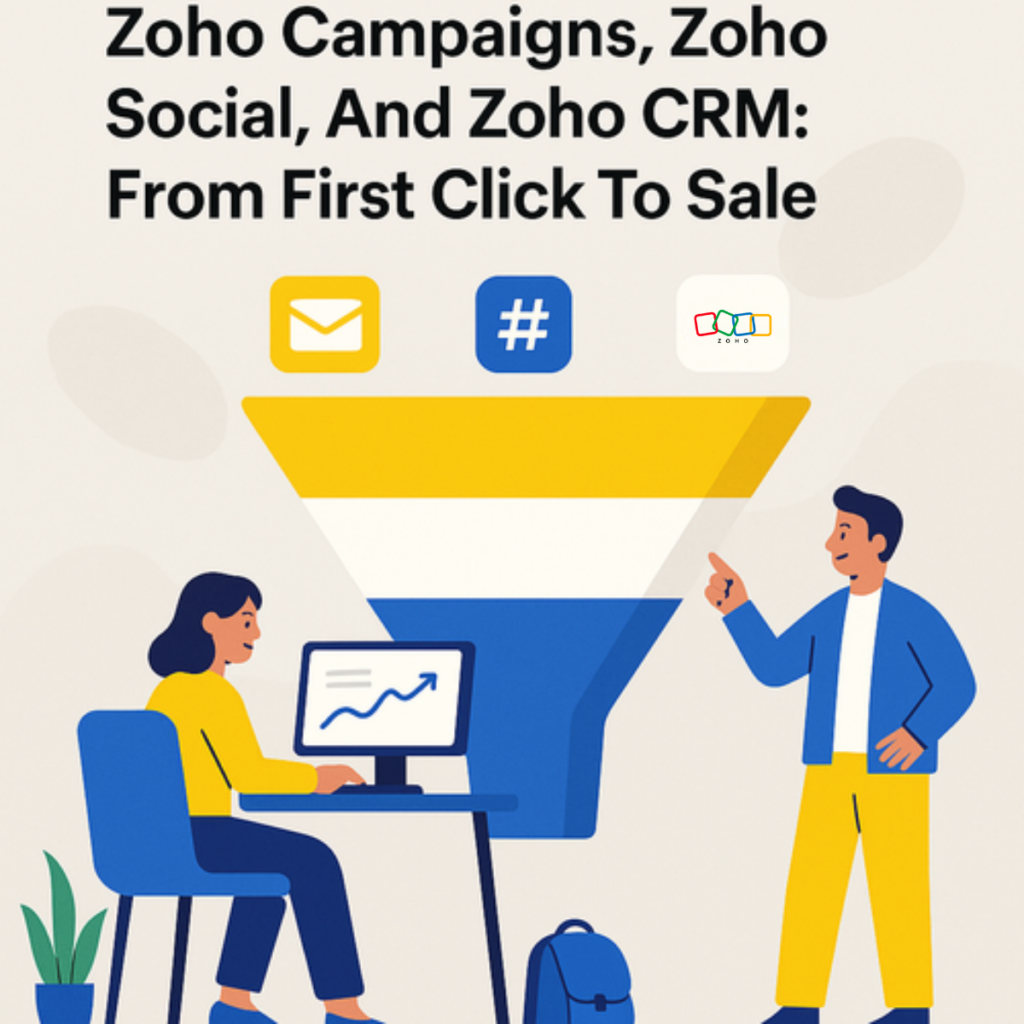
Chapter 1: Understanding the marketing funnel
The marketing funnel is a core concept in digital marketing, guiding potential customers from initial awareness to final conversion. This process is typically divided into several essential stages:
- Awareness: At this stage, potential customers first learn about a brand or product through various channels such as social media, advertisements, or word of mouth. The goal is to attract attention and generate interest. Brands that leverage visual storytelling, as highlighted by Pinterest’s shift towards measurable commerce outcomes, can effectively enhance awareness and engagement.
- Interest: Once awareness is established, capturing interest involves providing more detailed information about the product or service. This stage aims to engage the audience with tailored content that resonates with their needs.
- Consideration: Here, prospective customers evaluate the product or service against competitors. Effective strategies include providing comparisons, testimonials, and case studies to facilitate informed decisions.
- Intent: At this stage, customers signal their intent to purchase, often shown by actions like adding items to a cart or signing up for a newsletter.
- Conversion: This is the ultimate goal of the funnel where the lead becomes a paying customer. Strategies to optimize this stage include offering discounts or ensuring a seamless checkout process.
- Loyalty/Advocacy: Post-purchase, retaining customers and turning them into advocates is crucial for sustained growth. This can be achieved through excellent customer service and loyalty programs.
Recognizing the significance of each stage in the marketing funnel helps businesses refine their strategies, ensuring a smoother customer journey and ultimately driving higher conversion rates. For further insights into optimizing workflows and customer experiences, explore our articles on improving workflow with Zoho and digital transformation strategies.
Chapter 2: Integrating Zoho Campaigns for effective email marketing
Zoho Campaigns is an invaluable tool for creating impactful email marketing campaigns that drive engagement and conversion rates. To effectively leverage this platform, follow these key strategies:
- Segment Your Audience: Tailoring your emails to specific segments of your audience improves relevance and engagement. Utilize Zoho Campaigns’ advanced segmentation features to categorize your audience based on demographics, purchase history, and engagement levels. This ensures that your emails resonate with each recipient, increasing the likelihood of conversions.
- Craft Compelling Content: Focus on creating visually appealing emails that include clear calls-to-action (CTAs). Personalization is crucial; references to previous purchases or recommendations based on browsing history can significantly enhance user experience. Effective upselling emails highlight products that align with the customer’s interests and needs, boosting overall satisfaction and sales .
- A/B Testing: Optimize your email campaigns by conducting A/B tests on different elements such as subject lines, content layout, and CTAs. This data-driven approach will help refine your strategy based on actual performance metrics, allowing for continuous improvement.
- Utilize Analytics: Zoho Campaigns provides extensive analytics tools to monitor open rates, click-through rates, and conversion metrics. Regularly analyze these insights to adjust your campaigns, improving engagement over time. For instance, analyzing consumer behavior during specific events can inform future strategies, as seen in seasonal campaigns where spending habits fluctuate.
- Follow Best Practices: Maintaining compliance with email marketing regulations and ensuring your emails are mobile-friendly are essential for maximizing reach and engagement. Clean your email lists regularly to maintain high deliverability and engagement rates.
By integrating these strategies into your Zoho Campaigns approach, you can create email marketing campaigns that engage your audience and convert leads into loyal customers. For further details on optimizing your workflow with Zoho tools, consider reading about integrating Zoho with other platforms.
Chapter 3: Harnessing the power of social media with Zoho Social
To leverage Zoho Social effectively for building brand awareness and engaging with your audience, consider the following strategies:
- Comprehensive Social Media Management: Utilize Zoho Social’s features to manage multiple social platforms from a single dashboard. This allows for streamlined posting and scheduling, ensuring that your content reaches your audience when they are most active. Consistency in engagement is crucial for maintaining visibility and fostering community.
- Audience Analysis: Use the built-in analytics tools to gather insights about your audience demographics and behavior. Understanding who your audience is and what content resonates with them helps in crafting targeted posts that drive engagement. This data can guide your content strategy, focusing on what attracts your followers most effectively.
- Content Calendars: Create and implement a content calendar using Zoho’s scheduling tools. This not only keeps your posts organized but allows for a mix of content types—promotional offers, educational posts, and interactive content such as polls or Q&As, which can foster better audience interaction.
- Engagement Tracking: Monitor the performance of your posts through engagement metrics—likes, shares, comments—which provide real-time feedback on what works. Adjust your strategies accordingly to enhance audience interaction and amplify brand visibility.
- Collaborate with Influencers: Partnering with social media influencers can expand your reach significantly. Zoho Social makes it easy to manage these collaborations and track their effectiveness in engaging new audience segments.
- Drive Traffic to Offers: Integrate your social media campaigns with specific call-to-action (CTA) buttons. Whether it’s leading users to a landing page or offering a discount code, a clear CTA can guide your audience directly to your offers, increasing conversion rates.
- Regular Content Review: Consistently review and optimize your content strategy based on analytics provided by Zoho. Adapt to changes in audience preferences and social media trends, ensuring your content remains relevant and engaging.
By strategically harnessing Zoho Social’s capabilities, you can enhance your brand’s online presence, effectively engage your audience, and drive more traffic to your offerings. For further insights on optimizing your marketing and engagement strategies using Zoho, consider exploring our article on automating your marketing with AI.
Chapter 4: Using Zoho CRM to nurture leads
To effectively nurture leads and enhance conversion rates, Zoho CRM offers a variety of features designed to improve relationship management and automate follow-up processes. Utilizing contact management tools, businesses can keep track of every interaction with potential customers, creating a comprehensive view that aids in personalizing communication. With customized dashboards, teams can monitor key metrics related to leads, making it easier to prioritize those most likely to convert.
Automating follow-ups is another critical aspect of Zoho CRM. The software allows you to schedule email reminders, follow-up tasks, or SMS alerts, ensuring no prospect is overlooked. You can set up automated workflows that trigger personalized messages based on user interactions, which can significantly increase engagement rates. Research shows that automated follow-ups can improve conversion rates by up to 20% compared to manual strategies.
Furthermore, the integration of artificial intelligence into Zoho CRM enhances lead scoring, helping businesses identify which leads are most likely to convert. This predictive analysis allows for more strategic resource allocation, directing efforts towards nurturing high-potential prospects.
For a comprehensive look at leveraging Zoho CRM for lead management, check out our articles on automating sales processes and the importance of AI in lead nurturing [Source: Agilean]. Implementing these features not only streamlines your processes but also significantly boosts your chances of turning prospects into satisfied customers.
Chapter 5: Measuring success and tweaking your strategy
To drive long-term growth, effectively measuring success through key performance indicators (KPIs) is vital. Start by focusing on essential metrics like conversion rates, customer acquisition costs, and return on investment (ROI). These metrics reveal funnel performance and highlight areas needing refinement. For instance, monitoring your conversion rates at each stage of the customer journey can help pinpoint leaks and inefficiencies. Tools like Zoho Analytics can facilitate this analysis by providing real-time insights into your marketing efforts.
In addition to quantitative measures, qualitative insights are critical for understanding customer behavior and preferences. Conduct surveys and gather feedback to capture the voice of your customers. This information can guide audience targeting and improve the customer experience. Improved customer insights correlate with enhanced retention and loyalty, as evidenced by the strategies implemented by brands like Coca-Cola, which prioritize digitalization to foster deeper consumer connections and adaptability in rapidly evolving markets.
Iterative strategies are key to refining your marketing approach. Adopt methodologies such as A/B testing or scenario analysis to continually assess the performance of your campaigns and adapt them based on results. The goal is not just to iterate but to build a responsive marketing environment that adjusts according to analytics. Companies that embrace such continuous improvements tend to maintain competitive advantages by pivoting swiftly in response to market changes .
Finally, regular reporting on your KPIs is crucial. Set up dashboards and performance reviews that allow your team to visualize results over time. This practice ensures accountability and can systematically reveal long-term trends, prompting strategic adjustments that align with business goals. With a robust analytics framework, you can confidently navigate the complexities of modern marketing and sustain growth well into the future.
